Editing in a Bilingual Environment: Opportunities and Challenges

21 March 2024

Editing in a bilingual environment: opportunities and challenges

Canada has been a bilingual country since 1969; English and French are used by all federal institutions. In 1982, Queen Elizabeth II signed the Canadian Charter of Rights and Freedoms, which dedicates a category to Official Language Rights. Yet, depending on where you live in Canada, your linguistic experience can vary greatly as both languages are not used equally throughout the country. In Quebec, for instance, French is predominant, and many laws have been passed to protect the language. As such, certain companies cannot deliver products to this province because of Bill 96, an Act respecting French as the official and common language of Quebec. Then again, if you send a request in French to a government department in British Columbia (e.g., you search for the death certificate of a long-lost family member), you might receive a reply in English – even from federal institutions. New Brunswick is the only officially bilingual province in the country.

As one might expect, communication can be very frustrating for a unilingual individual in a bilingual country. There has always been a cultural and linguistic divide between Francophones and Anglophones in Canada as realities and points of view differ. This is also perceptible in the editorial world: why write in proper French when most of the population of the province you live in speaks English? Those who can speak “some” English will get the message anyway. Why bother with a properly written English document when most of the population in the province you live in speaks French? Surely they have a bilingual family member or friend who can assist them?

The opportunities for professional editors

For professional editors, this environment offers many opportunities. Because both languages are used in every province, in one context or another, there is a need to make sure communications are properly structured and written. There are editors like me who are fully bilingual and who choose to help bridge the gaps. Though I don’t offer editing services in English (French is my native language), I joined Editors Canada, an organisation with a national scope, to help promote the editorial services of our members from sea to sea – and beyond. As a freelancer, I am one of many editors and translators tasked with ensuring the final communication (e.g., a press release) is adequately written for a French-speaking audience. Members of Editors Canada who opt in to the Online Directory of Editors widen their exposure to potential clients: a Francophone editor in Quebec can be hired to edit the thesis of a student in Alberta, and an Anglophone editor in Ontario can collaborate with a museum in Nova Scotia on the documents pertaining to an upcoming exhibition, for example.

The challenges of editing in a bilingual environment

But there are also drawbacks to editing in a bilingual environment. In some countries, the government has adopted two (or more) official languages and yet only one of them benefits from the talents and services of professional editors. Or it may be that two or more languages are officially used to communicate with the population without regard for one of them, from an editorial point of view. They may ask a bilingual employee (or even worse: someone who knows someof that language) to translate the document just so they can say they offer it in both languages. Sadly, the result might end up as comic relief in a newspaper or a linguistic journal rather than being used to inform the intended audience. There’s also the need for local knowledge: for example, what is true in one version of French in Africa (e.g., to translate the word “package” as bouquet) might sound erroneous in Canada (where we would use forfait). Both are correct, but unless you confirm with a professional linguist in that locale, you won’t know that.

As a Francophone editor, I have the privilege of assisting my clients in making sure they use the language as accurately as possible. Sometimes, there is a disconnect between the intention and the creation of a text; French may be impacted by English because of the geo-linguistic reality of the province of Quebec. My linguistic skills and my passion for French allow me to guide authors (and translators) to achieve the best communication.

I wish for professional editors in all languages to be valued for their contributions to better communications and thus contribute to more positive relationships between authors and audiences and help create better-informed communities.



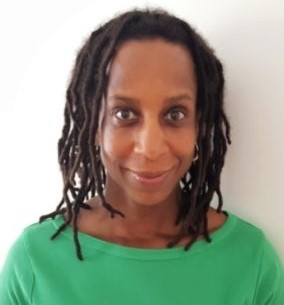
Suzanne Aubin

Suzanne Aubin is a freelance editor and translator in Quebec, Canada, and has been a member of Editors Canada since 2002.

She is director of member recruitment and retention on Editors Canada’s national board and shares the task of Francophone advisor. Follow her on LinkedIn.



From Pages to Platforms: Inside the Evolution of Educational Publishing

18 December 2024

From pages to platforms: inside the evolution of educational publishing

When I made the leap from educational publishing to edtech, I expected a change. What I didn’t anticipate was how transformative that shift would be − not only in terms of processes and workflows but also in how we approach people, timelines and resources. Here’s what I’ve learned along the way.

People: from outsourced to insourced

In traditional publishing, the reliance on an outsourced model is nearly universal. The internal team acts as a hub, commissioning and coordinating authors, editors and freelancers across different locations. While this can bring a diversity of perspectives, it often creates logistical hurdles. Delays are common, and the final product can sometimes feel like a patchwork of different visions.

At Save My Exams, the model couldn’t be more different. Our team is insourced, bringing a level of cohesion and ownership I hadn’t experienced before. Everyone − from the content creators to the platform developers − is aligned under one roof (albeit a virtual one), becoming not just contributors, but stakeholders invested in our success.

Having such a team fosters a shared understanding of our goals. As well as creating content, we’re designing an intuitive, targeted and effective student experience. It allows for real-time collaboration and pivots, ensuring that every piece of content fits into the larger puzzle. Initially, I was sceptical about having authors and content creators as full-time staff, but I’ve come to see the value they bring, enabling us to focus on quality in a way that rounds of copy-editing and proofreading can’t achieve.

Accelerating timelines: from years to weeks

Traditional publishing is synonymous with long timelines. Developing a textbook or supplementary educational resource typically takes several years from conception through to delivery. The process is lengthy because it’s built on a waterfall model: each stage must be completed before the next begins. By the time the final product reaches the classroom, the curriculum may have changed, or newer methods may have emerged, making the material outdated.

In comparison, my current Content team completes a full course in just 6 to 8 weeks. Instead of progressing through a rigid sequence, we embrace an iterative workflow. Content creation, platform design and user testing often overlap, enabling us to refine and improve our offering in real-time based on immediate feedback.

These shorter timelines mean we’re responsive to user needs. When we spot gaps in our content library or hear feedback from students and teachers, we can act on it almost immediately. What might take years in a traditional model, we tackle in weeks. Speed and quality aren’t mutually exclusive – they’re complimentary, and they’re redefining what’s possible in educational publishing.

Resources: from bundled content to targeted value

In traditional publishing, more is often seen as better. A single textbook might come with additional workbooks, teacher guides and online quizzes − creating a comprehensive package. In my experience, most of these supplementary resources don’t get used; the posters aren’t hung up in the classroom and the students never log on to the digital textbook. These materials are designed to have broad rather than specific appeal, meaning the publisher has spent a lot of time and money creating something that doesn’t drive value. 

At Save My Exams we take a more targeted approach. We create resources that solve particular problems for students, like concise revision notes, curated exam-style questions and step-by-step student-friendly model answers. The content is designed to be hyper-relevant, easy to navigate and instantly useful.

This approach allows us to avoid the inefficiencies of the traditional model. Rather than producing materials that may or may not align with users’ needs, we create resources based on direct feedback and data. By analysing how students engage with our platform, and using an experimental mindset where we test and refine our hypothesis, we can create content that has maximum impact. The result is a lean, value-driven library of content that helps students succeed.

Why this matters

Reflecting on my career transition, it’s clear that both traditional and digital models have their strengths. The former’s rigour and attention to detail often result in comprehensive resources that stand the test of time. However, that same rigour can make it difficult to adapt to the fast-paced demands of today’s learners.

Digital publishing, by contrast, thrives on speed, flexibility and focus. My team enables a collaborative, unified vision. Our compressed timelines let us respond to trends and user feedback in near real-time. And our targeted content strategy ensures that every resource we create drives value for our users.

For me, the move from traditional educational publishing to edtech has been more than a career shift – it’s been a mindset shift. I’ve learned that in a digital environment, success doesn’t come from doing more; it comes from doing better.

As I look to the future, I’m excited about the possibilities. The world of education is changing rapidly, and digital education platforms are at the forefront of that transformation. Whether you’re a student, a teacher, or someone passionate about the power of learning, one thing is certain: the best is yet to come.


Astrid de Ridder


Astrid deRidder is VP of Content at Save My Exams. She has held senior roles at Cambridge University Press, Macmillan Education and FutureLearn.


How Do We Prepare the Next Generation of Publishing Industry Leaders?

19 September 2024

How do we prepare the next generation of publishing industry leaders?

Let’s talk about mentoring

When was the last time you heard someone talk about mentoring in publishing? I talk about it all the time. When I started in the book trade in 1990, I was taken under the wing of our Sales & Marketing Director. For the first four years of my career, he shared his immense knowledge. He took me to book fairs to meet booksellers, he included me in meetings with library and educational suppliers. He taught me the importance of customer service and how to get distribution right for all my channel partners. When the company was sold, I was lucky to be led by two extraordinary women – the Managing Director and the General Manager. Together with the Business Manager, they taught me about leadership, communication, management, and how publishers operate as a business. I’m forever grateful to all those who spent their time giving me the best industry education possible. And, over the years, I’ve shared that experience with others.

Mentoring insights

To me, mentoring is about sharing knowledge and offering insights to help mentees grow. It’s also about skills development and using those for career advancement. And it’s about networking. When I was younger and heard the word “networking”, I was filled with dread. While I am naturally an extrovert, I thought networking meant small talk at parties and going to business events to “sell your wares”. But in this industry, having an extensive network is a wonderful way to increase your knowledge and expertise. It’s not something to fear – it’s something to grow. It’s also about confidence. And it’s about learning – discovering who’s who in the industry, and unearthing trends and opportunities. And learning from your mistakes!

Industry observations

A major concern for me in the past decade is people’s lack of knowledge about key players or sales channels. They don’t know the who’s who, they don’t know the what’s what. They have worked in publishing for many years but have not been encouraged to look outside their role or the company they work for – and this disturbs me. We are living in a time when the industry creates events to discuss the latest trends or issues but not everyone can attend, or the entry price is too high for smaller publishers. And then when people do attend, how do they share this knowledge with others?

Training and induction

I’ve heard horror stories about inductions at publishing companies. There was a time when a lot of thought was put into it – weeks of getting to know colleagues and what roles they performed. Months of learning about systems and how everything works. And longer for truly understanding the philosophy of a publishing company. Trust me, there is one. I worked for some years with David Cully at Baker & Taylor, and he once told me that “every publisher has its own story and once you knew what it was, you could find a way to work with them”. Staff may get a presentation from someone in HR which includes a slogan or mission statement that “represents” the organisation, but it takes a long time for that to take meaning. And some staff will never experience that. When it comes to workflows, responsibilities and decision making, there is often not enough documented, so you’re considered lucky if you get a proper hand-over with your predecessor. These days it’s a case of “hit the ground running” and that means some tasks fall between the cracks.

Let’s piece it altogether

Nowadays, I see many publishers failing to give their staff a thorough understanding of the industry as a whole. And not just in their region, but worldwide. People should know the organisations that play a part in how we operate globally. How does metadata work? How does the supply chain work? Who are the major e-book and audiobook players? Who provides content to libraries? What’s happening with textbooks? What are sales rights? How do authors get paid? How can we help our authors succeed? How does social media work? What genres are trending up and down – and why? I could come up with 100 questions that I expect publishing staff to know, regardless of their role.

Why mentoring is important

Everyone has a part to play and sharing knowledge is important. Having a mentoring programme – informal or formal – shows leadership and a commitment to the professional development of staff. Not only does it support their career development, it helps to attract top talent to your organisation. And from my own experience – whether mentor or mentee – it helps with personal development too. And it’s been highly rewarding.

I read somewhere that mentors can influence and shape the future of their industry. It can prepare the next generation of leaders. I’m more than happy to share my knowledge over the 34 years I’ve been in the industry. Are you?


Jane Buekett


Rachael McDiarmid has worked in the publishing industry since 1990.

She launched her outsourcing and consulting business, RM Marketing Services, in 2014, and has been teaching the Book Marketing & Sales unit at the University of Sydney since 2022.

You can follow her on LinkedIn.


How to be a Successful Publishing Freelancer – in Eight Steps

21 February 2024

How to be a successful publishing freelancer - in eight steps

Freelancing is a major life decision – it’s challenging, demanding and requires a dash of courage. How can you flourish as a self-employed individual in the publishing industry?

On 17 January 2024 the Publishing Training Centre (PTC) hosted an online seminar in collaboration with the Society of Young Publishers (SYP) Wales to answer this question. Our expert panel shared their practical insights and advice on how to succeed as a freelancer in publishing.

These eight steps below are what they suggested for freelance success.

1. Freelancing – is it for me?

Imagine a career flexible enough to fit around family life, a professional life where you are in charge. It was this quest for a realistic work−life balance that drew all four panellists into freelancing, offering the freedom to work from home, choose your own projects and set your working hours.

“Anyone can become a freelancer, at any point in their career – if you have the skills that publishers want to buy,” explains Petra Green, Head of the PTC. “To succeed as a freelancer, you need to be organised, self-motivated, disciplined and able to work on your own.”

It can be challenging, with feelings of isolation and income fluctuations. If you thrive on self-motivation, freelancing as a copy-editor, proofreader, or in marketing and publicity, could be right for you.

2. Gain the necessary skills, experience and qualifications

In-house experience is not essential, but it helps. You can gather a wealth of insights and knowledge, particularly in a specific subject area. As Alysoun Owen, freelance publishing consultant and owner of AO Consulting Ltd advised, “You need a track record and one job to get going. When leaving an employer, try to take at least one commission or contact with you.” Gain as much training and experience and as many qualifications as possible before leaving employment.

3. Be clear about what you can offer

Identify what services and expertise you can offer. When Alysoun became a sole trader, she chose to advise on digital, bridging the gap between publishing creatives and technical professionals. By focusing on a specific area, she gained invaluable experience from working with diverse individuals and businesses.

4. Agree a realistic fee

When taking on any project, assess whether you are qualified (or want) to do the work, and that it fits comfortably in your schedule to meet the deadline. Know when to say yes, and when to say no. Price your services realistically. Will you charge a fixed fee or hourly rate? Ensure the client brief is clear and that you understand exactly what is expected of you – the type of publication, word count, inclusion of illustrations and your role in the process, will all influence your charges.

5. Communicate effectively and honestly

“Effective communication is at the heart of successful freelancing. You are only as good as your last job,” explained Caro Drake, a freelance editor with over 30 years’ experience. “Always follow the brief, check and recheck.” Communicate openly and honestly and apologise if necessary. Be courteous, friendly and professional at all times. And pick up the phone – it’s more personal than email. By nurturing relationships, through impeccable customer service, you are paving the way for repeat work and other opportunities.

6. Take charge of your finances

“Financial planning is key to achieving a sense of stability and success,” says Heather Rawlin, owner of Future Perfect and a freelancer since 2015. “Fluctuations are common – you may experience busy, slow, affluent and poverty-stricken months. Look for regular work – even if these jobs are just small, their reliability is a comfort.”

There is no paid holiday or sick leave, and you need to buy your own equipment. You’re on your own when it comes to managing your own finances – including invoicing and tax returns.

7. Build the business basics

Adopt an entrepreneurial mindset and create a long-term plan. Consider if being a sole trader or limited company is best for you – each has its pros and cons. You’ll need a business name, a LinkedIn profile, and perhaps a website, to get started. Building a strong online presence is essential. There are plenty of resources available to help guide you through the process.

8. Expand your contacts and ensure clients return for more

Freelancing is all about who you know. Before leaving employment, share your CV with colleagues. Then announce your exciting new venture to your network (after you’ve left!) and target publishers aligned with your field of expertise. As Heather says, “Recommendations are crucial for freelances – more than 50% of my work came from referrals from current clients.” Maintain your edge with ongoing training and attending industry events and webinars. Affiliation with relevant societies and professional bodies and societies will enhance your credibility.

Actively market your services and pursue new opportunities. Remember, persistence is key – even on tough days, keep your head up and an open mind.


Gill Box-Grainger

Gill Box-Grainger is Marketing Manager for the Publishing Training Centre.


If you are interested in becoming a freelancer within the publishing industry, have a look at these useful links for working as a freelancer, recommended by the panel. For more information about the SYP, visit www.thesyp.org.uk.


How to Become a Professional Proofreader

23 April 2024

How to become a professional proofreader

Are you thinking about becoming a proofreader? Perhaps you’re a career-changer looking for inspiration, or you’re already a proofreader but lack formal training. Whatever your starting point, here’s some guidance on the next steps that you can expect to take.

The role of the proofreader

The proofreader gets involved in the final stage of the editorial process, before publication. In book publishing, the publisher sends the author’s typescript (raw manuscript) to the copy-editor, who checks and corrects it. They ensure that it’s consistent, readable, free from errors and correctly formatted, among other things.

When this stage is completed, the typescript is typeset (into its final layout) and sent to the proofreader who checks that the copy-editor’s instructions were followed (e.g., pages are numbered correctly).

The role of the proofreader is important in acting as a second pair of eyes, catching any missed editorial errors (e.g., grammar and spelling). They will also check the typesetter’s work, and fix any errors in fonts, styles and layout, for example, before final production.

What qualities do you need to be proofreader?

A love of reading helps, but this is a nice-to-have. To be a successful proofreader, you need:

  • the ability to concentrate
  • excellent interpersonal skills, to build positive relationships with colleagues and clients
  • a good grasp of the English language, grammar and punctuation
  • well-rounded general knowledge
  • an eye for detail.

Other qualities include a willingness to learn, adaptability, curiosity, perseverance and patience.

Why training matters

As with other careers, proofreading takes time to master. Training is important because it shows that you’re serious about becoming a professional proofreader.

Gaining an industry-recognised qualification can give you confidence in your abilities, help improve your professional credibility and build trust. This is important, particularly if you’re a career-changer. Potential clients need reassurance that you’re competent, that you have the basic skills and also expertise in the field.

Each proofread is an opportunity to broaden your knowledge and sharpen your skills. So not only does initial training matter, but continuing professional development is important too.

The PTC’s bestselling Essential Proofreading course is ideal for learning the skills and knowledge required to proofread effectively.

The type of proofreading work available

Mention the word ‘proofreading’ and traditional publishing houses come to mind. The reality is that publishers hire trained, experienced proofreaders. The good news is that there is a wealth of proofreading opportunities outside traditional publishing, so it’s worth approaching:

  • local businesses
  • organisations with a publishing/marketing function
  • charities and professional organisations
  • self-publishing authors
  • family and friends

You’ll find an array of documents that require proofreading, including theses and dissertations, websites, annual and business reports, and marketing materials.

Where to get answers if you have a proofreading question

It’s fine if you don’t know the answer to queries in the text that you’re proofing. You aren’t expected to know everything – no one does! What’s important is that you know where to find the answer. Depending on your question, the information might be found in the client’s house style guide, or in other reference materials (e.g., the style guides New Hart’s Rulesfor British English, or The Chicago Manual of Style for American English). Or, you could contact the client with a query that’s specific to them.

The Chartered Institute of Editing and Proofreading is a membership organisation for editorial professionals. It offers access to benefits including a members’ forum, where you can post questions and all aspects of proofreading (and editing) are discussed.

Getting proofreading experience

Start by telling family, friends, and people you work with (past and present) about your proofreading plans. They may know someone who could benefit from your skills.

You could also consider the following:

  • ask your current employer about proofreading opportunities
  • volunteer for a charity or other organisation producing print or digital content
  • mentoring (your current employer may offer opportunities)
  • internship with a publishing house (many publishers advertise on their websites and on social media)
  • paid work with a publishing house (advertised on publishers’ websites and social media, The Bookseller, recruitment agencies, job boards; freelancers could try cold emailing publishers).

Before contacting potential clients, you need to think about how to market yourself, which could mean updating your CV and highlighting relevant skills and training. Research potential clients and market yourself to your ideal client, making sure you have the proofreading skills and knowledge they want.

Keeping the work coming in

If a client is happy with your work, don’t be shy about asking for a testimonial, which you can use to gain more experience.

It takes time to become established and visible as a proofreader. Here are some activities to keep the momentum going:

  • update your CV, website and portfolio regularly
  • promote your proofreading service
  • network with other proofreaders (online or in person)
  • hone your skills and knowledge.


Tania Charles


Tania Charles is a freelance proofreader specialising in fiction and narrative non-fiction. She is also a tutor for the PTC’s Essential Proofreading course. Follow her on LinkedIn.


To find out more about the role of the proofreader, download your free copy of the PTC’s guide to Copy-editing and Proofreading.


Discover if a career in proofreading is for you, with the PTC’s e-learning module An introduction to proofreading.


Insights into the World of Indexing

25 January 2024

Insights into the world of indexing

Cookbooks, handbooks, textbooks, scholarly monographs, catalogues: a good index is still essential across a range of non-fiction books. Indexes help readers find the information that they need and are often the first point of entry to a text – many of us will have browsed the index before committing to buying a book.

Indexes are made by professional indexers, who anticipate the needs of all sorts of readers when choosing the terms that will form part of an index. That’s why an index always wins out over a simple search – the indexer will have weighed the significance of each mention of a term, only including those in the text where there’s useful information to be found. Back-of-the-book indexes remain standard in print books, and eBook technology allows pinpoint indexing to the exact place in a book where a topic is discussed, with a clickable link to take you there.

Who are indexers?

Indexers come from different working backgrounds: there are former librarians, teachers and academics, lawyers and doctors, as well as publishing professionals. They often have considerable expertise in the subjects that they index and can be highly qualified. Some also specialise in particular types of publications, such as biographies, children’s books or journals.

The Society of Indexers (SI)’s membership base reflects this variety of expertise. It is the only autonomous membership body for indexers in the United Kingdom and Ireland. Many members combine indexing with editing and/or proofreading as part of a portfolio career. Like proofreaders and editors, they’re nearly always freelancers working in the publishing industry.

Indexing can be an interesting, satisfying and intellectually challenging career – with the bonus of reading for a living.

Working with indexers

Working with a professional indexer will enhance the quality, and sales, of a book. Authors and publishing professionals can find a suitable indexer for their project through the SI Professional Directory. It’s helpful to contact your indexer and place the project well in advance of any deadlines, as they do get booked up. Ideally, you would book your indexer once you start to plan the project schedule, and give two months' notice. However, like most freelancers, indexers can often take on a project at short notice. Before you brief your indexer, make sure you have all the information you need about the project and your publisher’s usual requirements for indexes such as layout, style and length. The costs of indexing vary according to the extent and complexity of the book; the SI’s recommended rates are a good starting point for negotiation.

Artificial intelligence (AI) and indexing

Like many professions that work with language, AI is affecting indexing. Automated tools for indexing have existed for some time but have not been able to produce a quality index. They cannot reproduce the human skills of judgement and analysis in context. Generative AI tools work by predicting the most likely next word rather than informed understanding and empathy.

Current AI tools like ChatGPT will, if asked, create an index for a work in the public domain, but the headings inevitably need review and the page numbers are often inventions. AI tools that create summaries of text or extract keywords could be useful during indexing, but an AI tool alone won’t have the human indexer’s insight into readers’ needs. And there are legal issues involved in sharing any book with an AI tool that will incorporate the text into a large language model.

Indexers make good use of technology, however. Indexing software takes a lot of the drudge work out of indexing. Changes to proofs can be dealt with more easily and indexes repurposed for revised editions. Embedded indexing, where the index entries are coded into a Word manuscript, InDesign file or similar, generates an index that is automatically populated with page numbers. This is very useful for texts that will appear in various formats and especially helpful for eBook indexes.

Discover more about indexing

If you are interested in a career in indexing, or honing your skills, the SI website and blog is the best place to start. You’ll find plenty of useful information – including the qualities you need to be an indexer, professional training and workshops, the index commissioning process, the qualities of good and bad indexes, the negotiation of fees, and more.

If you want to learn how indexing works, Indexing for Editors is ideal. This workshop explains the commissioning process, how to evaluate an index and the conventions of indexing.

The Society’s online training course is a self-study programme that leads to professional accreditation, preparing students to work as professional indexers. Assessments, tutorials and support from experienced indexers help students progress through the course modules.


Tanya Izzard is a freelance book indexer and Marketing Director for the Society of Indexers. Follow her on LinkedIn.


My Journey to Editing Children’s Books

23 May 2024

My journey to editing children's books

I think of myself as an accidental editor. It was never part of my grand plan to work in publishing. However, like many parents, once I had children and could enjoy magical times reading with them, I thought I’d try writing for young readers. Several rejections later, I began to work with a small publisher and was commissioned to write picture books for the pre-school age group, and stories and resources for 7-to-11-year-olds. This became the unwitting gateway to my editorial career.

At first, I took on small proofreading jobs from my publisher on a freelance basis. Through research into how to find editorial work, I discovered Louise Harnby. Her book, Marketing Your Editing and Proofreading Business, became my springboard into the publishing profession. I took the Publishing Training Centre (PTC)’s course (then called ‘Basic Proofreading’ and now ‘Essential Proofreading’), and made the leap.

(By the way, if you plan to follow suit, don’t let the course titles fool you. The training is anything but ‘basic’. It’s in-depth, rigorous and tough, but is all the more excellent for that.)

The craft of editing children’s books

I see editing as a craft. Copy-editing is not just about implementing grammatical rules. For me, it’s about ‘hearing’ the text; listening to its rhythm. The action taking place can be reflected in the way the words describe that action. Short, sharp sentences help to convey suspense, for instance. They work to increase the pace of a story. A variety of sentence lengths also adds interest for the reader. Without shorter sentences to balance longer ones, the experience of reading a book can become monotonous.

Because I’d been writing for children, specialising in editing children’s books seemed a natural progression. For this, as with editing generally, I believe you need a good ear. I could never edit in a room with anyone else because I read every sentence aloud. That’s the way I get a proper feel for how the book will sound to its readers. I find this invaluable, whatever genre I’m working in, and it’s something I advise authors to do with their own writing. When you hear the words, rather than just looking at them on the page or screen, you’re much more likely to pick up glitches.

This is especially true if you write or edit rhyming picture books. I’ve worked on many of these, and getting the rhythm right across the whole story is key to creating the best possible reader experience. It’s also the biggest challenge with this type of writing and brings us back to why, as an editor, you need a good ear – to be able to hear what’s working and what isn’t.

Children’s publishing also has its own parameters. Both authors and editors need to understand the requirements for the target age group. That may sound obvious – age appropriateness of material encompasses not just themes and storylines, but writing style, sentence length and vocabulary choices. Editing children’s books means appreciating the age suitability of all these elements and pointing out where they don’t quite fit.

Picture books require a fairly stringent editorial approach. A story has to be told in few words – 800 to 1,000 is the ideal in the UK. Every word has to count. If an adjective isn’t necessary, it can be cut. (Description is largely redundant in a picture book because the illustrations support the visual aspects of the story.) Adverbs can be replaced with verbs that describe the action. There are always ways to create succinctness of expression and greater fluidity. This is the craft of editing and it applies to any genre.

My top tip for aspiring children’s editors

For editors wanting to enter the world of children’s publishing, my biggest tip would be the same as it is for authors: read. Read as great a variety of children’s books for the different age groups as you can. Pay attention to the structure, the chosen themes and storylines, the vocabulary, the sentence length. When you’re steeped in the art of brilliant, targeted story-writing, those elements will be at the front of your mind as you edit; as you craft.

I’ve met and worked with the most fabulous people since I started my editorial business, and it’s expanded in ways I could never have dreamed of. I cohost The Pen to Published Podcast for self-publishing authors, with colleague and independent publisher Alexa Whitten. We also run an online Facebook group for writers, The Writers’ Refinery, which has grown into a lively, informative and supportive community.

For an accidental career, being an editor has turned into something surprising and special.


Alexa Tewkesbury


Alexa Tewkesbury is an award-winning author of numerous children’s books, as well as a freelance proofreader, copy-editor and copywriter. Follow her on X and LinkedIn.


If you are interested in a career in children’s books, download the PTC’s free guide to Children's Publishing.


Publishing is Poorly – with Imposter Syndrome

Publishing is poorly - with imposter syndrome

20 November 2024

Since the formation of The FLIP (Female Leadership in Publishing) in 2019, the topic of imposter syndrome has come up time and time again. The FLIP’s very first interview heard Sandy Mahal, then Director of Nottingham UNESCO City of Literature, speak of her experiences of being plagued with self-doubt in rooms she felt like she shouldn’t be in.

Imposter syndrome came up again in Meryl Halls’ interview, who at the time had been Managing Director of the Booksellers Association for a year, when she said, “I think we all have imposter syndrome. We all think we are less than we are.” And she’s not wrong: in our 2024 workforce survey, 97% of respondents said they had experienced imposter syndrome, with 56% saying it happens for them ‘often’ or ‘always’. Is that imposter syndrome: an epidemic lack of self-belief we all just accept that we have?

Flipping the script

It was Lee Newman, Educational Publisher at HarperCollins UK, who ‘flipped’ the idea on its head. Describing how she feels imposter syndrome is an invented concept ascribed to women to make them doubt their abilities, she talks about being expected to serve the drinks at work functions, or two men starting a conversation over yours. It is moments like these, she says, that force women to internalise that feeling of not being good enough.

Reflecting on her words, we thought of our own experiences with imposter syndrome. Unpacking these situations can be both freeing – knowing that it wasn’t all in your head – and jarring, because what’s to stop this happening in the future? And why didn’t anyone stop it at the time?

So, what can be done in workplace environments to foster a culture that doesn’t raise another generation to feel like this?

On a panel in 2023, I was asked my opinion on imposter syndrome and how we can support aspiring leaders. I boiled it down to three key factors, the “3 Ms”: money, management and mentorship.

Money, money, money

Let’s start from a top-level perspective and talk numbers. If you are a CEO or an MD, or you manage any type of team budget, look around you. Is your money being effectively spent on initiatives that help and nurture the wider team?

‘Talent retention’ is a term bandied around a lot in creative industries, and it’s very easy to say you value it; you’d be an ineffective leader if you didn’t. But are you putting money behind this statement? Are you funding networks to support staff? Are you actively looking for ways to financially support people?

Imposter syndrome starts and ends with people not feeling valued, and a massive part of feeling valued, especially in the wake of cost-of-living crises and relentless reports of recessions, is to be paid what you are worth.

Management is more than it seems

If you ask the internet to define ‘manager’, it suggests someone who is responsible for running a part of a business. We argue that management is more than that; it’s support, it’s advocation, it’s believing in the talent in your team.

There’s a long-running joke in the creative industries that people at the beginning of their careers have the ideas but senior staff members get the recognition. And while it is a truth that we universally accept and sometimes laugh at in the office kitchen, it’s a toxic behaviour that can chip away at you. As managers, we have an opportunity to stop this. And yes, it can be really hard if you yourself have been a victim of this uneven playing field, but speaking from personal experience, I have never felt anything but good when giving credit where credit is due.

If we’ve been mirroring the behaviour of those above us for so long, who’s to say the next generation won’t mirror this too?

Mentorship goes both ways

Mentorship is something we can all do at every level, whether mentoring a new team member, or even a recent LinkedIn connection. It doesn’t need to be a 12-week set-up with strict objectives and outcomes; it can be a coffee with a colleague and a chat about where they think their career is going.

If you’re in a position to mentor someone (and I would caution you to ensure you have sufficient time and capacity before committing), remember that, while you have knowledge to give, you have room to learn too. I have had the privilege of being both mentee and mentor, and I’ve come away from all those relationships a better worker, a better colleague and with a better sense of self. There’s something to learn from both perspectives – it’s important to recognise the value you’re bringing to the conversation, and the value you’re gaining.

Can we fix imposter syndrome?

Money, management and mentorship won’t cure imposter syndrome overnight, but they do work towards remedying it. And if even one senior leader is reading this and considering how their money, management or mentorship can help, that alone will start the healing process.

Cassie Rocks


Cassie Rocks is co-director of the FLIP.


You can sign up to the FLIP’s newsletters on their website, or follow them on Instagram, LinkedIn and X.


Taming the Wild West of PDF Mark-Up

22 July 2024

Taming the Wild West of PDF mark-up

Out with the old – in with the new! Goodbye, reams of paper mark-up. Goodbye, squiggly little proofreading symbols. Goodbye, Tipp-Ex and Post-it notes. The new era has arrived!

Okay, so its been arriving for a while now. This isn’t exactly news. But it is a call to arms. Shedding old ways of working is essential for the evolution of publishing practices and – let’s face it – the global pandemic and homeworking sealed the fate of the paper-proof workflow.

Enter PDF mark-up! With a multitude of mark-up tools, the power of automated functions and utilities, and the ability to share content and collaborate in real-time, digital proofreading is a dream come true …

Or is it? From fiddly corrections, messy pages, errors and missed changes to magically moving mark-ups, cluttered and confusing instructions, and PDFs crashing midway through a job – life in this ‘new era’ isn’t all plain sailing.

Marking changes on PDF proofs, most commonly using Adobe Acrobat, has become the new standard. And with a new standard come new rules. But whos making the rules?’ I hear you ask. Well, that’s the thing – everyone’s sort of making them up as they go along. With predictably mixed results.

Marking changes in Acrobat is deceptively easy. Choose your favourite tool, explain your change and move on. But what happens next? Was your choice the best method for the rest of the workflow?

Where once we had best practice standards, designed by industry professionals with oversight of the whole publishing workflow and upheld by the British Standards Institution (BSI), now we have a hotchpotch of approaches from self-taught professionals, eager to use the technology but unclear how their choices impact the wider workflow. Lets take a step back for a moment.

What is PDF mark-up and why do we do it?

If we work in a team, we often mark up changes that someone else will make. That person may be sitting next to us or they may be on the other side of the world. How well we communicate our intentions is key to the quality of the proofs we will get back.

Of course, there is no single correct way to mark up a change. But there are implications – for you, your colleagues, the content, and your schedule and budget. Opting to use the sticky note or highlight tools because they are easy to access or peppering the page with text boxes, freehand pen drawings or, worse, BSI stamps, might seem efficient, but the resulting mark-up can be confusing and laborious to implement.

Understanding how our colleagues work and respecting their time and process will produce better results, ensuring changes are taken in quickly, accurately and cost-effectively.

Do you know what you don’t know?

As someone who learns by doing, I appreciate the value of teaching myself a new skill. But the risk with this is that I then dont know what I don’t know. When teaching students how best to mark up PDFs, I start by asking about their experience using Acrobat. Those who have been using the tools for several years usually feel pretty confident but often find they didn’t know the implications of their choices. Why a particular method or tool is better (or worse) in a given scenario. Why a designer wont be able see a change they have made or could be confused by what they mean. Why using specific tools can halve (or double!) the time taken to make changes to the design files.

Keeping pace with changes

In 2019, Adobe introduced a feature that means text changes in Acrobat can automatically be applied in InDesign. It’s a game-changer, hugely reducing the time needed to take in changes and cutting the risk of errors. Are most teams using this feature? No. Because few people know it exists or how to work to enable the functionality.

And thats the thing about technology – it keeps changing. In 2022, Acrobat launched collaborative workflows, which enable multiple people to view, comment and reply on a single PDF, in real-time. This is another game-changer, allowing the whole team to efficiently share and discuss changes. In 2023, Acrobats interface underwent a major overhaul, completely altering the way we access (and think about) the commenting tools. While it might take some getting used to, like any change, the potential is for much quicker and more efficient access to the tools we need.

With Acrobat and InDesign so widely used, its essential to keep abreast of these changes, sharing our experiences and ideas with our colleagues, and setting out the new standards. We need to understand the potential of the software and the digital workflow (as well as the limitations) and the implications of the choices we make.

But its not enough for some of us to be working one way and others another way. As an industry, we need a systematic, standardised approach. The real benefits will come when there is a sea change across publishing, ensuring our teams, internal and external, work in synchrony.


Sarah Sodhi


Sarah Sodhi is a Project Manager, Editor and Trainer. She tutors the PTC courses How to Mark Up PDFs with Adobe Acrobat, Editorial Project Management, Introduction to Editorial Skills and Progress in Editorial Skills. You can connect with her on LinkedIn.


The Society of Young Publishers (SYP): 75 Years Young

15 August 2024

The Society of Young Publishers (SYP): 75 years young

The 1940s: filling a post-war need

Since forming in 1949, the SYP has committed to de-mystifying and sharing insights into the world of UK publishing, boosting opportunities for those within or looking to enter the industry. Its core function is to support junior publishing staff by offering ways to connect and develop. The activities and initiatives may have changed over time, but the Society’s mission has remained.

The SYP first met in 1948, with the Constitution officially formed in 1949, having recognised that there was a skills gap post-war within the publishing industry. Membership was limited to those already working in publishing, aged between 20 and 35. The early Society revealed daily goings-on at publishing houses, with excursions to Oxford and Cambridge University Presses. Trips to Europe were organised to engage with the German book trade and gain an international publishing perspective. In the 1960s, the focus shifted from in-person visits to publishing locales, to industry talks and events, inviting prominent publishing professionals to speak at meetings. Here, the SYP laid the foundation for what would continue to be a core tenet of its activities into the 21st century: expert-led discussions and presentations.

The 1970s: fighting for equality and transparency

The 1970s saw an expanded committee and new initiatives for its members. A crèche scheme was established, to help women get back to work after having children. This made the work/childcare balance fairer, enabling them to forge ahead with their careers. 

In 1975, the first SYP salary survey was released, aiming to shine a light on poor pay levels for junior staff and encourage transparency. While no longer under the SYP umbrella, this landmark survey runs today, led by the founder of BookCareers.com and previous SYP Chair, Suzanne Collier.

The 1990s: towards a new century

During the 1990s, the SYP scrapped the age limit for membership, opening it to a wider pool of members and recognising that staff do not have to be ‘young’ to be junior. 1997 marked an expansion out of London, with the inauguration of SYP Oxford.

In more recent years, the SYP has become a more diverse organisation, welcoming anyone within publishing and related industries, and those aspiring to join the industry. The SYP began accepting members in bookselling, agenting, book charities and other publishing-related trades. Resources were created for those in academic, education and magazine publishing, and others from the traditional book trade. 

The 21st century: publishing for all

In 2009 the SYP celebrated its 60th anniversary, and relaunched the Scotland branch. Between 2011 and 2018, four more branches opened: SYP North, SYP UK, SYP Ireland and SYP South West, with SYP Wales opening in 2023. These new branches marked the beginning of a focus on regional diversification and decentralising the industry to make it accessible outside the capital.

2009 also saw the first iteration of what would become the SYP annual mentorship scheme: this supported 10 individuals at the early stages of their publishing careers. The Scotland Committee began recruiting members for their own mentorship scheme in 2021. In 2015, group mentoring sessions were introduced, encouraging broader knowledge-sharing among 510 participants. In 2020, in line with the new branches, SYP expanded its mentorship schemes to cover all areas of the UK and Ireland. Two branches initiated a ‘Launch’ stream of the scheme, aiming to support those looking to develop a freelance career or start a publishing business.

The Society has launched new initiatives to support its members and the wider publishing industry. From masterclasses and skills workshops, to networking events and supporting the London Book Fair’s Trailblazer’s Award, the SYP continues to inspire members and non-members alike. In 2023, it became home to the Spare Room Project (established by James Spackman in 2016) providing a place to stay in London while attending interviews or internships. The Spare Zoom Project was also taken under the SYP's wing, offering a digital access point between junior and senior industry members, pairing them for 30-minute sessions.

Now in its 75th year, the SYP continues to offer high-quality and innovative initiatives. The members-only Resource Centre will feature new content; the alumni network has been revamped to recognise the legacy of past committees. This includes bespoke alumni resources and newsletter, panel opportunities, alumni articles and interviews and content opportunities, such as spotlights on the SYP blog and podcast.

Later this year the SYP will launch SYP Bridges a one-time mentorship session whereby alumni and current members share knowledge and provide an upwards mentoring opportunity. “We aim to push the boundary of what ‘mentorship’ is, and break the mould to encourage learning and development to take place for the mentor, as well as for the mentee” – Michaela O’Callaghan and Eleanor Gaffney, SYP UK 2024 Co-Chairs.


You can find out more about the SYP and how to join at thesyp.org.uk. Follow the SYP on X, Facebook, LinkedIn, Instagram and YouTube.


There’s No Creativity Without Inclusion

There's no creativity without inclusion

Inclusion has been a buzz word in publishing for a while now. But what does it mean? And are we in danger of the focus waning?

What does ‘diversity, equality and inclusion’ (DEI) encompass?

For a long time, talk of diversity only focused on ethnic diversity. Now there’s a greater awareness of the range of people who are missing, marginalised or unrepresented. It’s not just disability, sexuality and gender/gender identity we need to consider, but much more, including age, socio-economic situations and body shape and size.

An inclusive workforce is essential

The industry is known for having a homogenous workforce, which can be self-perpetuating. There are a number of schemes that focus on recruiting a more diverse workforce and actions to ensure publishing is less London-centric. But do those who have traditionally been underrepresented find publishing a welcoming space? Do they stay? Will they be the leaders of the future? We need to ensure that publishing is an industry where anyone can feel that they belong, and one where they can afford to stay. And that will necessitate changes in culture and infrastructure.

In a team where people have a range of lived experiences, differing perspectives are brought to the table. This isn’t specifically about representation, but about different worldviews. And that leads to creativity. With a homogenous workforce, many people will be working in an echo chamber. And that doesn’t lead to innovation. Diversity is essential if we want to continue to be a creative industry.

Could the ‘own voices’ movement be a barrier to creativity?

It’s not just the workforce that is homogenous, but there is also a lack of diversity in who gets published. There are myriad reasons for this, including who has the financial freedom and time to create and pay for courses to hone their skills, and the industry playing it safe by publishing what feels familiar.

Publishers need to proactively seek creatives who have been underrepresented and support them to publication. However, there’s a danger that marginalised creatives feel they must write about their own experiences to get published. Being pigeonholed is another barrier to creativity. Publishing a diverse range of voices should be about ensuring books feature different perspectives, not a tick box for representation.

Whilst writing from experience brings nuance that may otherwise be missed, we face problems when there’s an expectation that marginalised creatives share their personal experience (and struggle to get anything else published). Writing about lived experience should be a choice, not an obligation. Authenticity is vital, as is enabling people to tell their own stories. We must be careful that we don’t say only those with lived experience can represent themselves. Instead we need to ask whether the industry is giving diverse creatives opportunities, regardless of the subject matter.

Creating inclusive content

Obviously, a diverse workforce, and diverse creators, should naturally lead to wider representation in published content. But we need everyone to write outside of their experience if we want to every book to be inclusive. This can be achieved authentically if thorough research is carried out in the early stages of a project, not just tagged on at the end. Rather than this level of research hindering creativity, fully understanding a character enables you to be creative with them, and what they do, without fear of getting it wrong. This allows the story to come first.

Creating inclusive content isn’t just about representation, it’s about who is included, who is inadvertently excluded and what biases are being formed. When a book assumes that all children have a mum and dad, or live with their birth parents, the child in a ‘non-traditional’ family feels ignored and disengages. When ableist words are used, often to denote negativity or ignorance, the disabled reader is shown that their experience isn’t valued.

Making books inclusive is as much about the tone, language and approach as it is about the characters. And here’s yet another barrier to creativity. Editors can generally intuit when something is off, but if they don’t understand the basic principles of inclusion, they can’t necessarily pinpoint what. This leads to second guessing, delays and potentially removing content due to uncertainty.

Is creativity in publishing in crisis?

Publishing is a supposed to be a creative industry. But when publishing lacks true diversity, and diversity (of thought, experience and perspective) is integral to creativity, then we have a big problem. Inclusion in publishing can’t be a fad, or a phase. It needs to be embedded across all aspects of the industry and throughout its infrastructure if publishing is to thrive.


Beth Cox


Beth has been making books inclusive since 2005. She worked at publisher Child’s Play before going freelance in 2011.

She runs Beth Cox Inclusion Consultancy Ltd,supporting publishing professionals to understand and embed the basic principles of inclusion, as well as consulting on individual projects.

Connect with Beth on LinkedIn.


Why Good Project Management Matters

20 June 2024

Why good project management matters

Editor or project manager?

The job titles will vary – you may come across desk editors, production editors, project editors, editorial managers and/or managing editors – but project management is at the heart of what most editors do. They will possess excellent editorial skills, but their expert eye for detail will also be useful for overseeing multiple projects, ensuring that schedules are kept on track and within budget. Liaising with the author (or sometimes multiple authors), commissioning editor, designer and production controller will be key, although editors may also need to work with illustrators, typesetters, photo researchers and sales, marketing, publicity and rights teams.

For editors, there is usually the e-book edition to consider, and sometimes the audiobook too. Especially in education and academic publishing, the print title could be accompanied by online resources, such as quizzes, worksheets and audio-visual resources. Plus, there’s the online side: databases that feed online retailers, sample chapters, covers for websites, and as promotional materials for social media. Depending on the company, one project manager might need to oversee all this, or these aspects will be looked after by different people, who might be freelance or in-house. Either way, there are a lot of moving parts to consider, even with just a single publication!

Why project management is important

For my role as fiction managing editor for a trade publisher, strong project-management skills are essential. I have around 100 books within my remit, and I’m responsible for ensuring that they are scheduled, copy-editors and proofreaders are booked, and corrections are checked, liaising with authors as appropriate. I meet our editors regularly to confirm that manuscripts are on track for copy-editing, and I sometimes need to revise schedules. For example, an author might need more time for rewrites; we need a bound proof for an event; or the copy-edited manuscript has to be ready for a foreign publisher by a particular date.

Project management isn’t just about dealing with issues here and now; it’s important to think ahead and imagine any future problems should a schedule change. Some things to consider are whether that impacts the editor’s workload; the author’s time, especially if, for example, they are expected to edit book 2 at the same time as promoting book 1; or the copy-editor and/or proofreader’s time, because they might not be able to accommodate a late project due to prior commitments.

Schedules and spreadsheets aren't everyone's cup of tea. However, schedules are essential for meeting important deadlines, while spreadsheets are handy for keeping numerous tasks or books on track. Embrace these tools and you will be a more effective project manager.

For me, a spreadsheet is invaluable. I record all schedules (as well as details such as the names of the author/copy-editor/proofreader and the print deadline) in a single shared grid, which the editors can also access. I can filter by each editor’s name so that we can focus on their titles in our catch-ups, but I can also see all the schedules at a glance in my weekly catch-up with the publisher.

I also witness good project management within other departments too. Here are some examples:

  • The rights team need to liaise with editorial teams to gather materials to take to book fairs. They then have to gather sample chapters and manuscripts to share afterwards.
  • The marketing team need to liaise with various editorial teams to agree on titles to submit to The Bookseller’s September Children’s Previews, and then co-ordinate with the editors, designers and myself to collate the material.
  • The in-house designer has to liaise with multiple illustrators, ensuring that the cover, art briefs, rough art and final art are briefed and delivered on time. In some cases, they might need to work with the illustrators to create a staggered schedule for artwork delivery, and ensure that layouts are ready for samplers and book fairs.

Even in my capacity as a freelance copy-editor, project-management skills are essential to manage my own workload, especially when schedules slip.

Whatever your role in the publishing process, it's incredibly useful to be aware of the project-management skills required to keep things moving, whether it's the bigger picture or how your particular role fits within the process.

If you love a spreadsheet and being organised, you just might love project management. But what if you don't? Give it a go – it's always worth building up your transferable skills!


Wendy Shakespeare


Wendy Shakespeare is a Managing Editor for Scholastic UK and a freelance editor and consultant. You can connect with her onLinkedIn.


The PTC runs a number of open courses on project management for those working in digital, editorial and other areas. The e-learning module Essential editorial project management takes you through the process of managing a publication from start to finish.